
When is the Right Time to Update Your Eavestrough and Why It Matters

Every homeowner knows that maintaining a house involves more than just keeping the paint fresh or the lawn trimmed. One critical but often overlooked part of home maintenance is the eavestrough system. These gutters play a vital role in protecting your home from water damage by directing rainwater away from your roof and foundation. But how do you know when it’s time to update your eavestrough? And why does it matter so much?
Understanding the signs and timing for eavestrough replacement can save you from costly repairs and keep your home safe and dry.
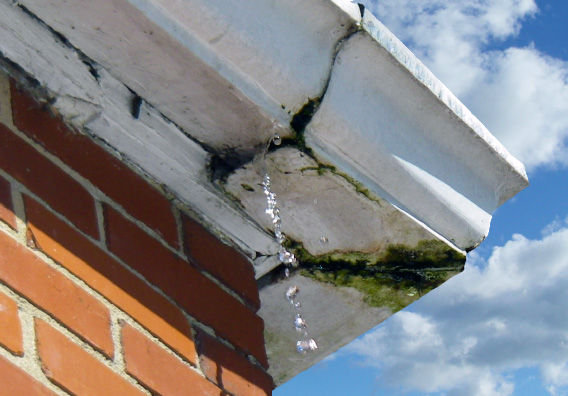
Damaged eavestrough with a leaky miter indicating need for replacement
Why Eavestroughs Are Essential for Your Home
Eavestroughs, also known as gutters, collect rainwater from your roof and channel it away from your home’s foundation. Without a properly functioning eavestrough system, water can pool around your foundation, causing soil erosion, basement flooding, and even structural damage.
Here are some key reasons why eavestroughs matter:
Protect foundation: Water pooling near the foundation can cause cracks and weaken the structure.
Prevent basement leaks: Proper drainage keeps basements dry and mold-free.
Preserve landscaping: Directing water flow prevents soil erosion and damage to plants.
Avoid roof damage: Eavestroughs prevent water from backing up under shingles, which can cause rot.
Because of these critical functions, keeping your eavestroughs in good condition is essential for long-term home health.
Signs It’s Time to Update Your Eavestrough
Knowing when to replace your eavestrough can be tricky, but several clear signs indicate it’s time for an update:
1. Visible Damage and Rust
If you notice rust spots, holes, or cracks in your gutters, water can leak through instead of flowing properly. Rust weakens the metal and can cause sections to break off.
2. Sagging or Pulling Away from the House
Eavestroughs should be firmly attached to your home. If they sag or pull away, it means the fasteners are failing or the gutters are overloaded with debris.
3. Water Overflow During Rain
When gutters overflow, it often means they are clogged or too small to handle heavy rain. Overflowing water can damage siding and foundation.
4. Peeling Paint or Water Stains on Walls
Water spilling from damaged gutters can cause paint to peel or leave stains on exterior walls. This is a sign that water is not being properly directed away.
5. Basement Flooding or Moisture Problems
If you experience water in your basement or notice dampness, your eavestrough system may not be functioning correctly.
6. Age of the Eavestrough
Most gutters last between 20 to 30 years depending on material and maintenance. If your gutters are older than this, replacement is often the best option.
When to Replace vs. Repair
Not every problem requires a full replacement. Small holes or minor sagging can often be repaired. However, if damage is widespread or the gutters are old, replacement is more cost-effective and reliable.
Consider replacement if:
More than 30% of the gutters are damaged or rusted
The gutters frequently clog despite cleaning
The system does not fit your home’s current needs (e.g., size or style)
You want to upgrade to more durable materials like aluminum or copper
Choosing the Right Eavestrough Material
When updating your eavestrough, material choice affects durability and maintenance:
Aluminum: Lightweight, rust-resistant, and affordable. Most common choice.
Copper: Long-lasting and attractive but expensive.
Steel: Strong but prone to rust without proper coating.
Vinyl: Cheap and easy to install but less durable in extreme weather.
Selecting the right material depends on your budget, climate, and aesthetic preferences.
Benefits of Updating Your Eavestrough
Updating your eavestrough system offers several advantages beyond just fixing problems:
Improved water management: New gutters handle heavy rain better.
Enhanced curb appeal: Fresh gutters improve your home’s look.
Reduced maintenance: Modern designs reduce clogging and debris buildup.
Increased home value: Well-maintained drainage systems add to property value.
Peace of mind: Protect your home from costly water damage.
How Often Should You Inspect Your Eavestrough?
Regular inspection helps catch issues early. Experts recommend checking gutters at least twice a year, ideally in spring and fall. After storms, it’s also wise to inspect for damage or blockages.
Look for debris buildup, leaks, loose fasteners, and signs of water overflow during inspections.
Updating your eavestrough system is a crucial part of home maintenance that protects your investment and keeps your living space safe. Recognizing the signs of wear and knowing when to replace your gutters can prevent serious damage and costly repairs.


Comments